


-

Add: HeBei ShengShi HongBang Cellulose Technology CO.,LTD.
-

Email
13180486930@163.com -

CONTACT US
+86 13180486930





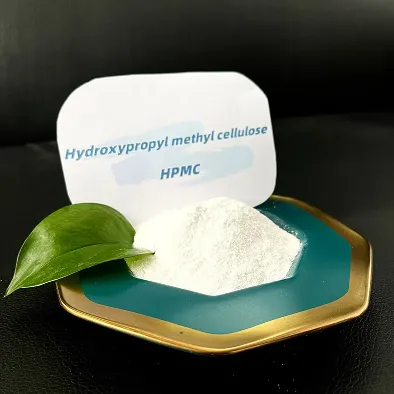
Hydroxypropyl methylcellulose (HPMC), also known as hypromellose, is a versatile compound used in various industries due to its valuable properties. With a unique blend of stabilizing, thickening, and film-forming abilities, it stands out especially in the pharmaceutical, food, and construction sectors. Understanding its features, applications, and benefits can offer a deeper insight into why HPMC is a crucial component in many formulations today. One of the distinguishing qualities of HPMC is its origin. Derived from cellulose, a natural polymer, it combines nature's reliability with chemical innovation. Through a process of etherification, cellulose undergoes transformation, enhancing its solubility and thermal stability—key factors contributing to its widespread usage. Because it is non-toxic, biodegradable, and shows excellent compatibility with a wide range of substances, it is esteemed for its safety profile, ensuring trust and reliability in its applications. In the pharmaceutical realm, HPMC plays a pivotal role as an excipient. It is commonly used as a binder in tablets, where it helps in sustaining the release of active ingredients, making medications more effective over longer periods. Its use in ophthalmic solutions is another notable example, where HPMC acts as a lubricant, providing relief from dry eyes. This versatility demonstrates its therapeutic potential, enhancing the efficiency and efficacy of pharmaceutical preparations. The food industry also capitalizes on the remarkable characteristics of HPMC. It acts as a thickener, stabilizer, and emulsifier in various food products, from sauces and dressings to baked goods and dairy items. Its ability to maintain moisture and improve texture without altering the taste makes it invaluable, contributing both to product consistency and consumer satisfaction. what is hydroxypropyl methyl cellulose Further endorsing its multi-industry prevalence is HPMC's role in construction. Here, it is integral to the formulation of many modern building materials. Used in cement renders, gypsum products, and tile adhesives, HPMC improves workability and adhesion while reducing water retention. These properties enhance the durability and longevity of construction applications, confirming its importance in structural integrity. Moreover, the resilience of HPMC in varying temperatures—retaining its properties from freezing to boiling points—adds to its adaptability and reliability in different environmental conditions. As global standards call for more environmentally friendly and efficient materials, HPMC aligns perfectly with these needs. As a biodegradable substance, it provides an environmentally conscious option for companies seeking sustainable solutions, further cementing its status as a preferred choice in manufacturing. In conclusion, hydroxypropyl methylcellulose is more than a mere chemical entity; it embodies the intersection of safety , efficacy, and functionality. Whether utilized in pharmaceuticals, food products, or construction, HPMC stands as a testament to innovation in material science. Its integration into various sectors underscores its necessity and versatility, making it an irreplaceable ingredient in modern industry applications. As industries continue to evolve, the reliance on materials like HPMC that deliver consistent quality while adhering to safety and environmental protocols will undoubtedly increase, paving the way for future advancements.
- 40000tons

Production
- 20+years

Experience
- 5000+㎡

Acreage

-

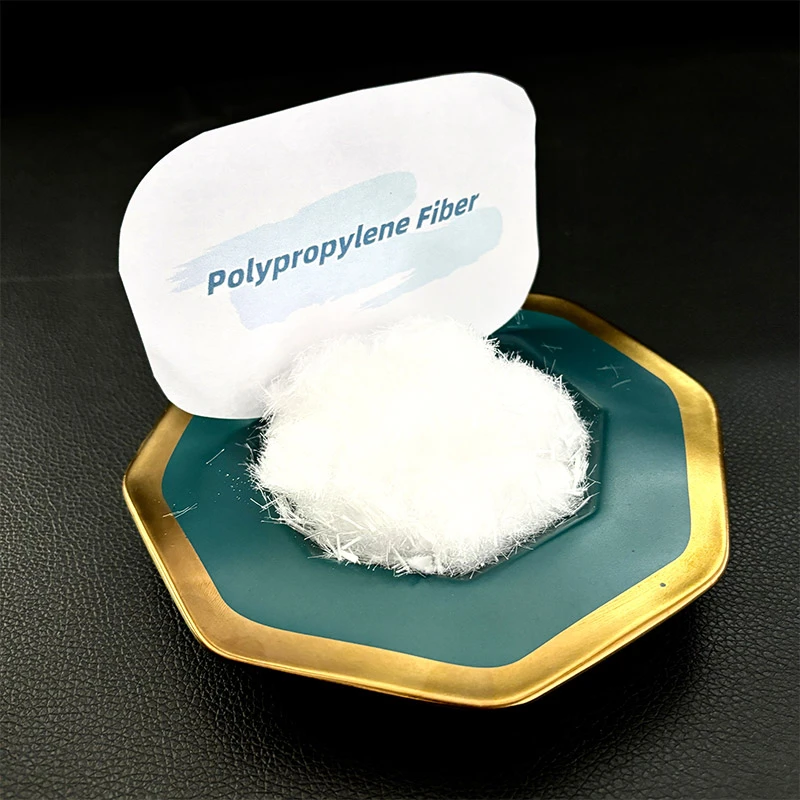
The Versatility and Benefits of Polypropylene Fiber Carpets Polypropylene fiber carpets have garnered significant attention in the flooring market due to their unique properties and numerous benefits. Known for their durability, affordability, and ease of maintenance, polypropylene carpets provide an ideal flooring solution for various residential and commercial environments. This article explores the characteristics and advantages of polypropylene fiber carpets, making them a popular choice among homeowners and businesses alike. What is Polypropylene Fiber? Polypropylene, also known as olefin, is a type of synthetic fiber that has been used in textile manufacturing since the 1960s. The fibers are created from polymerization of propylene monomers, resulting in a lightweight material that is inherently resistant to moisture, mold, and mildew. These properties make polypropylene an excellent choice for carpets, particularly in areas prone to spills and humidity. Durability and Resilience One of the standout features of polypropylene fiber carpets is their exceptional durability. Unlike natural fibers, polypropylene does not absorb water, making it resistant to stains and fading. This attribute ensures that the carpet maintains its vibrant colors and patterns over time, even in high-traffic areas. Additionally, polypropylene fibers have a natural resistance to wear and tear, making them suitable for both residential homes and commercial spaces such as offices, retail stores, and hospitality venues. Affordability Polypropylene fiber carpets are often more affordable compared to other types of carpeting, making them an attractive option for budget-conscious buyers. The cost-effective nature of polypropylene does not compromise quality; rather, it offers a balance of performance and value. Homeowners looking to upgrade their flooring without breaking the bank can find a wide range of stylish designs, colors, and textures in polypropylene carpets. Easy Maintenance polypropylene fiber carpet Maintaining polypropylene fiber carpets is a straightforward process. Their stain-resistant properties ensure that spills can be easily wiped away without leaving any lingering marks. Regular vacuuming is typically sufficient to keep the carpet looking clean and fresh. Additionally, in cases of deeper cleaning, polypropylene carpets can be safely cleaned with mild detergents and water, unlike more delicate materials that may require special care. Eco-Friendly Considerations As awareness of environmental issues grows, many consumers are becoming more conscious of the sustainability of their choices. Polypropylene fiber is a recyclable material, which means that at the end of its life cycle, it can potentially be reprocessed and transformed into new products. Additionally, the manufacturing process of polypropylene fibers has improved over the years, with many companies adopting greener practices to reduce their carbon footprint. Versatile Design Options Another advantage of polypropylene fiber carpets is their versatility in design. Homeowners can choose from an array of colors, patterns, and textures to match their unique aesthetic preferences. Whether opting for a plush shag carpet to add warmth and comfort to a living room or a low-pile, textured design for a contemporary office space, polypropylene offers something for everyone. This variety enables consumers to find the perfect carpet that complements their interior design vision. Conclusion In summary, polypropylene fiber carpets present an excellent flooring solution for various environments due to their durability, affordability, and low-maintenance properties. They are an ideal choice for families with children and pets, as well as for businesses that experience high foot traffic. With eco-friendly options and a wide range of designs, polypropylene carpets fit seamlessly into any setting while providing practical benefits that cater to the needs of today’s consumers. Investing in polypropylene fiber carpets can enhance the beauty and functionality of a space, making them a smart choice for anyone looking to upgrade their flooring. As we move towards a future focused on sustainability and practicality, the popularity of polypropylene carpets is likely to continue to rise, solidifying their place in the market for years to come.
-
Hydroxypropyl methylcellulose (HPMC) is a versatile, eco-friendly ingredient . This cellulose derivative is known for its exceptional performance in construction. Its unique properties, such as water retention, adhesion, and thickening ability, make it an essential component for improving the quality and durability of products. Whether you're working on building materials, tile adhesives, or wall coatings, hydroxypropyl methylcellulose can elevate the performance and efficiency of your materials. Discover the many benefits of hydroxypropyl methylcellulose and see how it can enhance your business operations. Hydroxypropyl Methylcellulose Uses in Construction In the construction industry, hydroxypropyl methylcellulose uses are critical to improving the quality and performance of building materials. HPMC is widely used in cement-based products such as tile adhesives, plaster, and grout due to its excellent water retention, enhanced workability, and extended open time. By incorporating hydroxypropyl methylcellulose into your construction materials, you can improve adhesion, reduce cracking, and increase the durability of your products. Hydroxypropyl methylcellulose uses in construction also include its role as a binder and thickener in paints and coatings, where it helps create a smooth, consistent finish. Enhance your construction projects with the superior properties of hydroxypropyl methylcellulose . Find the Best Hydroxypropyl Methylcellulose Price for Your Budget When looking for hydroxypropyl methylcellulose price , it’s important to find a supplier that offers high-quality products at competitive rates. The hydroxypropyl methylcellulose price can vary depending on the grade, quantity, and application, but you can trust us to provide transparent pricing that fits your budget. Our prices reflect the quality and reliability of the material, ensuring that you get the best value for your investment. Whether you need small quantities or large volumes, we offer affordable solutions without compromising on quality. Contact us today to learn more about our hydroxypropyl methylcellulose price and how we can support your projects. Reliable Hydroxypropyl Methylcellulose Suppliers for Your Needs Finding trustworthy hydroxypropyl methylcellulose suppliers is crucial for ensuring the success of your projects. As one of the leading hydroxypropyl methylcellulose suppliers , we provide a wide range of high-quality HPMC products designed to meet the diverse needs of various industries. Our hydroxypropyl methylcellulose is sourced from reputable manufacturers and undergoes rigorous quality control to ensure consistency and performance. Whether you're in construction, pharmaceuticals, or another industry, we are your go-to partner for reliable, top-grade HPMC. With our fast delivery, competitive pricing, and expert customer service, we make sourcing hydroxypropyl methylcellulose easy and hassle-free. Why Choose Us for Your Hydroxypropyl Methylcellulose Needs? When it comes to hydroxypropyl methylcellulose , you need a supplier you can trust. We are committed to providing the highest quality HPMC products at the best hydroxypropyl methylcellulose price . Our expertise in the field ensures that we meet the specific requirements of our customerss. As leading hydroxypropyl methylcellulose suppliers , we offer a wide range of grades to suit your needs, backed by excellent customer support and fast, reliable shipping. Choose us for all your hydroxypropyl methylcellulose requirements and experience the difference in quality, price, and service.
advantages
-

200000 Viscosities
Excellent product
We can produce pure products up to 200,000 viscosities
-

40000 tons
High yield
We don’t stop production all year round, and the annual output can reach 40,000 tons
-

24 hours
Quality service
We provide 24-hours online reception service, welcome to consult at any time
———— Inquiry Form
Schedule A services

-
 hpmc_solubility_in_organic_solvents
Oct . 25, 2025
Gypsum retarder is an important construction additive, designed to extend the setting time of gypsum -
 hydroxypropyl_methylcellulose_0_point_3
Oct . 25, 2025
The Emergence and Significance of Manufactured Fiber in the Textile Industry Manufactured fibers, co -
 polypropylene_concrete_fiber
Oct . 25, 2025
The formulation of high-performance cement-based renders and plasters demands precision-engineered a


